
Enophthalmos Correction
Implants | SU-POR®
SU-POR® porous polyethylene implants are designed to support orbital reconstruction procedures requiring surgeon-directed volume restoration, contour adaptation, and long term tissue integration.
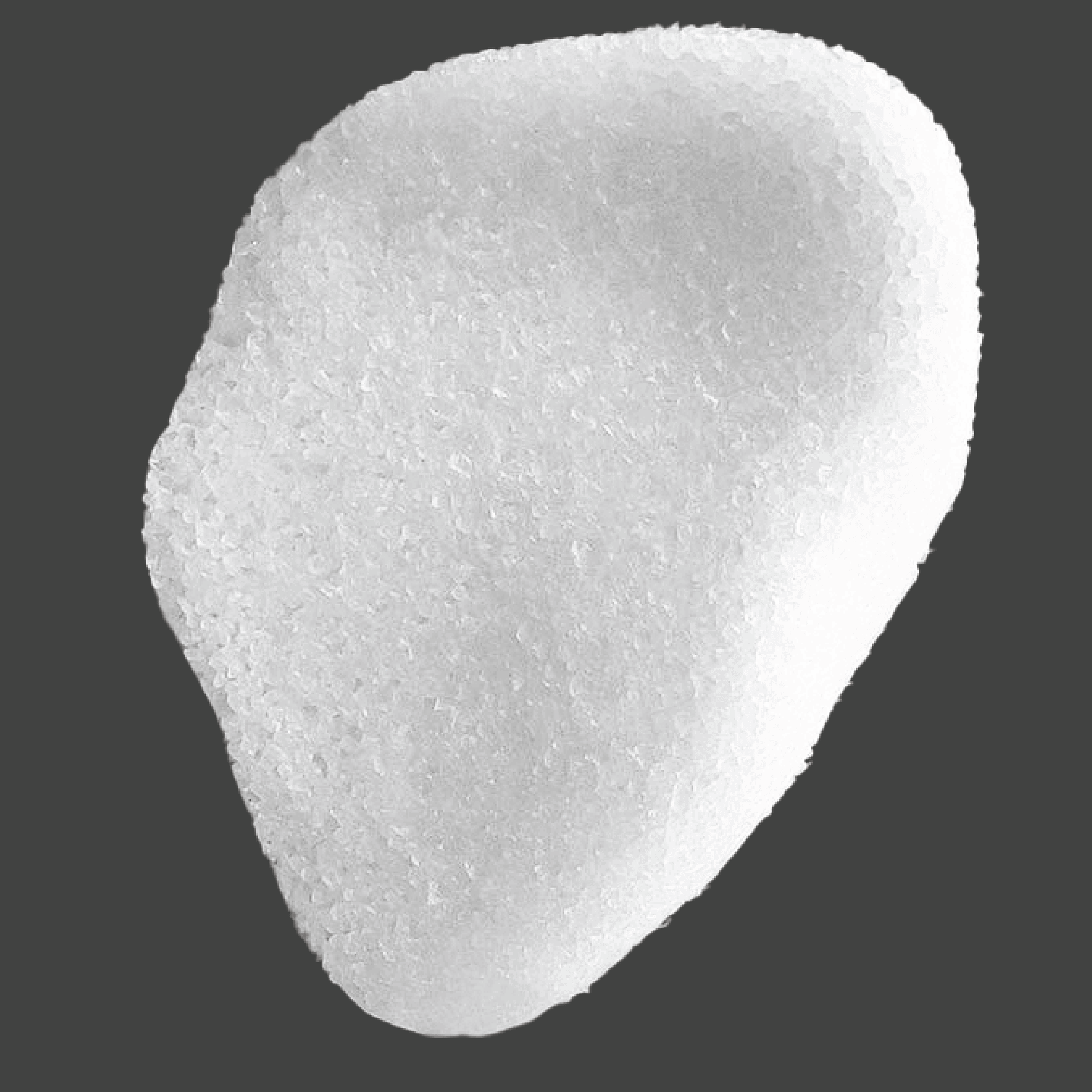
Enophthalmos Repair
What Is Enophthalmos
Enophthalmos refers to posterior displacement of the globe within the orbit. This condition may occur when orbital volume relationships are altered, resulting in a sunken appearance of the eye and changes in orbital contour symmetry.
Enophthalmos may develop gradually or become apparent following orbital trauma, reconstructive surgery, implant migration, or structural changes involving orbital anatomy. The condition frequently involves orbital volume loss, structural disruption, or inadequate support of orbital contents. Clinical evaluation often focuses on globe position, orbital contour relationships, orbital floor integrity, and restoration of anatomical symmetry.
Correction planning frequently depends upon the underlying cause, reconstructive complexity, and anatomical considerations unique to each patient.
Causes of Orbital Volume Loss
Orbital volume loss may occur following disruption of orbital support structures or changes in orbital anatomy resulting from trauma, surgery, or implant-related complications.
Potential contributing factors include:
– orbital trauma and orbital floor fractures
– migrated implants
– postoperative structural changes
– congenital abnormalities
– prior orbital surgery
Traumatic injury involving orbital floor defects may contribute to alterations in orbital support and contour anatomy requiring reconstructive intervention. Migrated implants may also contribute to changes in orbital support relationships and volume deficiency requiring surgeon-directed correction strategies.
Orbital volume restoration frequently becomes a central reconstructive goal when anatomical disruption contributes to globe displacement, contour asymmetry, or functional reconstructive concerns.
Correction with Porous Polyethylene Implants
Porous polyethylene implants are frequently utilized in orbital reconstruction procedures requiring volume restoration and contour support. The interconnected porous structure supports fibrovascular tissue ingrowth following implantation while maintaining contour adaptability and structural support characteristics.
Porous polyethylene materials are commonly selected because they provide reconstructive flexibility while allowing surgeon shaping and individualized intraoperative modification. Orbital reconstruction frequently requires implant adaptation during surgery to support reconstructive precision and restoration of orbital anatomy.
An additional consideration involves postoperative imaging evaluation. Porous polyethylene materials are radiolucent and may reduce imaging artifact during CT assessment compared with denser implant materials. Reduced artifact may preserve visibility of surrounding orbital anatomy during postoperative imaging workflows.
Although porous polyethylene implants are radiolucent, surgeons may still evaluate implant position and reconstruction outcomes on postoperative CT through visualization of reconstructed orbital contour relationships, adjacent bony anatomy, orbital floor restoration, and implant interface positioning. These characteristics may support postoperative assessment involving orbital volume restoration and anatomical reconstruction.
Volume restoration planning frequently depends upon defect size, orbital anatomy, reconstructive objectives, and surgeon preference.
Enophthalmos Wedge Applications
Wedge implants frequently play an important role in orbital volume restoration procedures involving enophthalmos correction. Wedge implant geometry may assist surgeons in supporting posterior orbital volume restoration and contour correction in carefully selected reconstructive cases.
These reconstructive approaches may be particularly relevant in correction planning involving:
– trauma reconstruction
– orbital floor defects
– migrated implants
– orbital volume loss
Wedge implants may allow surgeons to support individualized reconstruction objectives while adapting correction strategies to patient-specific anatomy and reconstructive goals.
Clinical development surrounding orbital volume restoration has continued to evolve over time through surgeon experience and specialized orbital reconstruction research.
Dr. Charles N.S. Soparkar M.D., PhD, FACS has contributed substantially to clinical understanding involving orbital reconstruction, orbital volume abnormalities, and approaches addressing complex orbital anatomy. His work has helped expand reconstructive strategies related to orbital volume restoration and management of challenging reconstructive scenarios involving enophthalmos and post-traumatic orbital changes.
Clinical contributions involving orbital wedge implant concepts and surgeon-directed orbital volume restoration planning have contributed to advancing reconstructive techniques used in specialized orbital surgery. These developments continue to influence contemporary approaches to individualized orbital reconstruction planning.